Rahal
Home
Places
Cities
Trips
For hosts
About
Contact Us
Help
AR
Sign in
Get the app
Cities in Syria | Rahal
Destinations
Every city, one list.
95 places
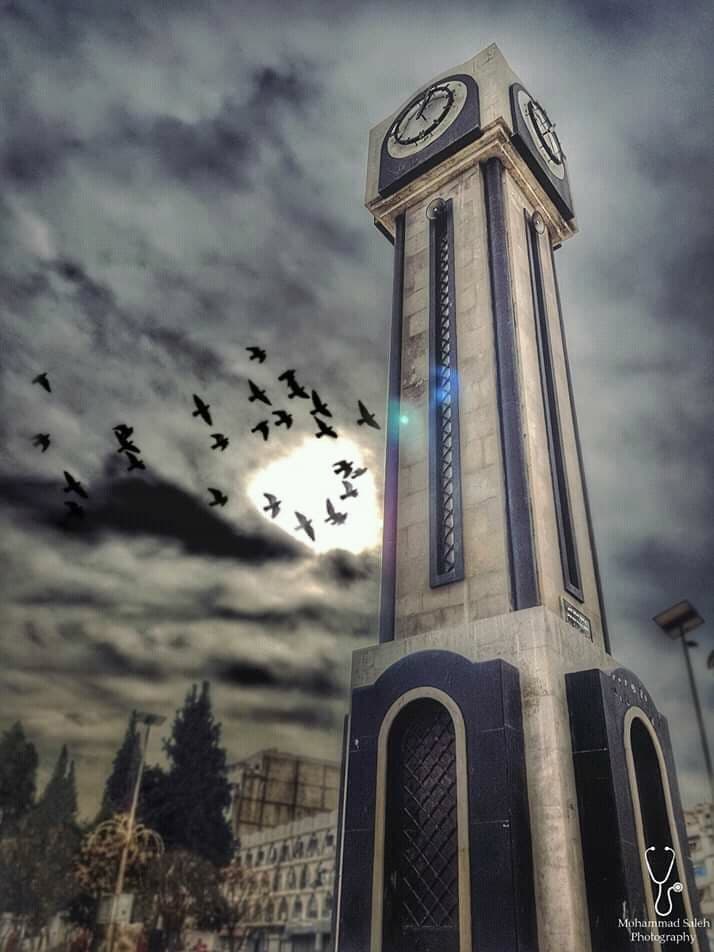
Damascus
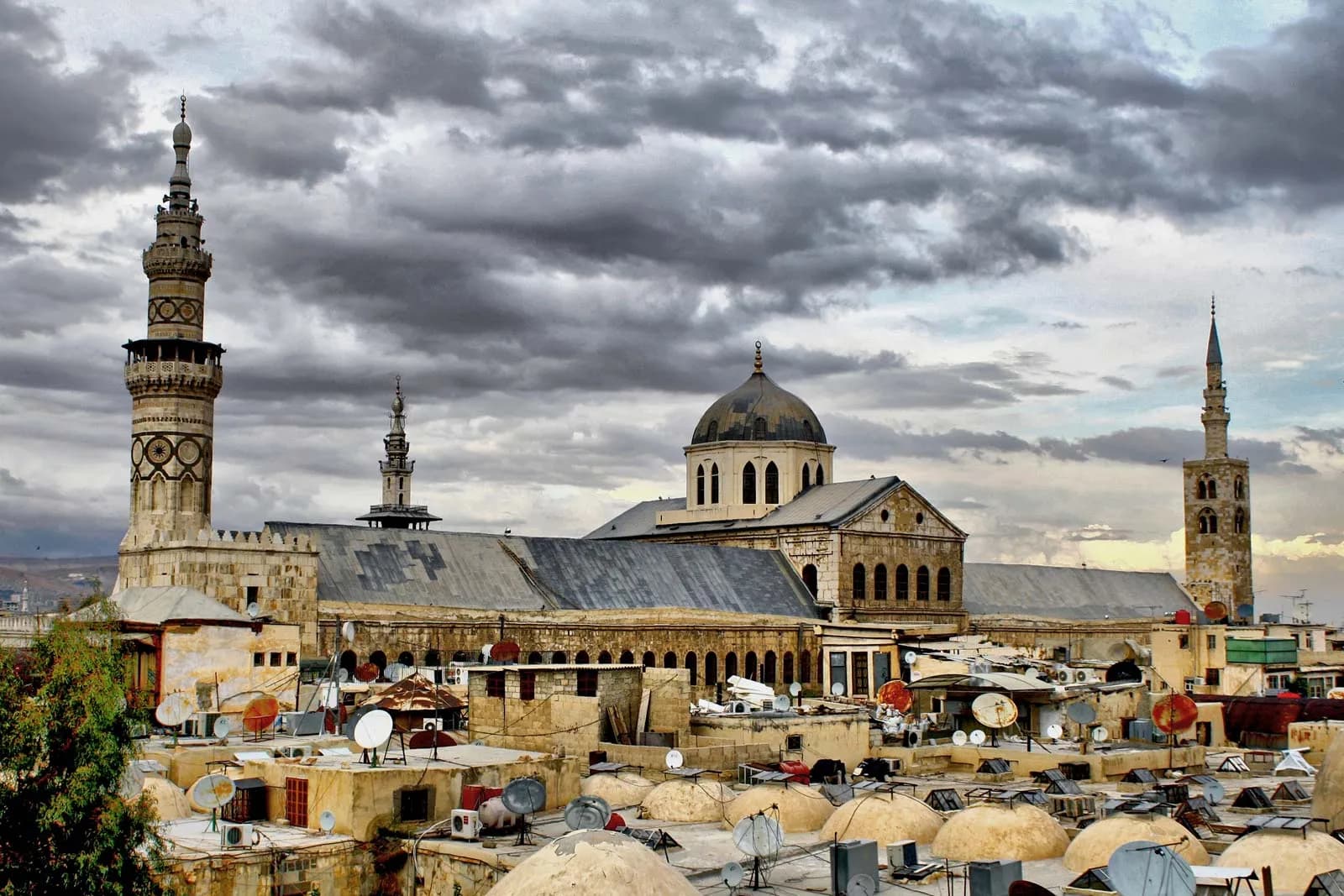
Damascus is the Syrian capital, and it is the oldest inhabited capital in the world. It occupied a prominent position in the field of science, culture, politics, arts and literature during the third millennium BC. It was a capital in many stages and civilizations in its long history and became the capital of the Islamic state in 661 during the days of the Umayyads. The population of Damascus is about 6.2 million, according to the 2004 census Part of the city is located on the slopes of Mount Qasioun, and the largest part of Damascus, including the old city, is located on the southern bank of the Barada River, while modern neighborhoods are spread on the northern and western banks. The city of Damascus is the heart of the province of Damascus, which is surrounded by the orchards of Ghouta, Mount Qasioun, and the hill of Damascus.
22 places
Aleppo
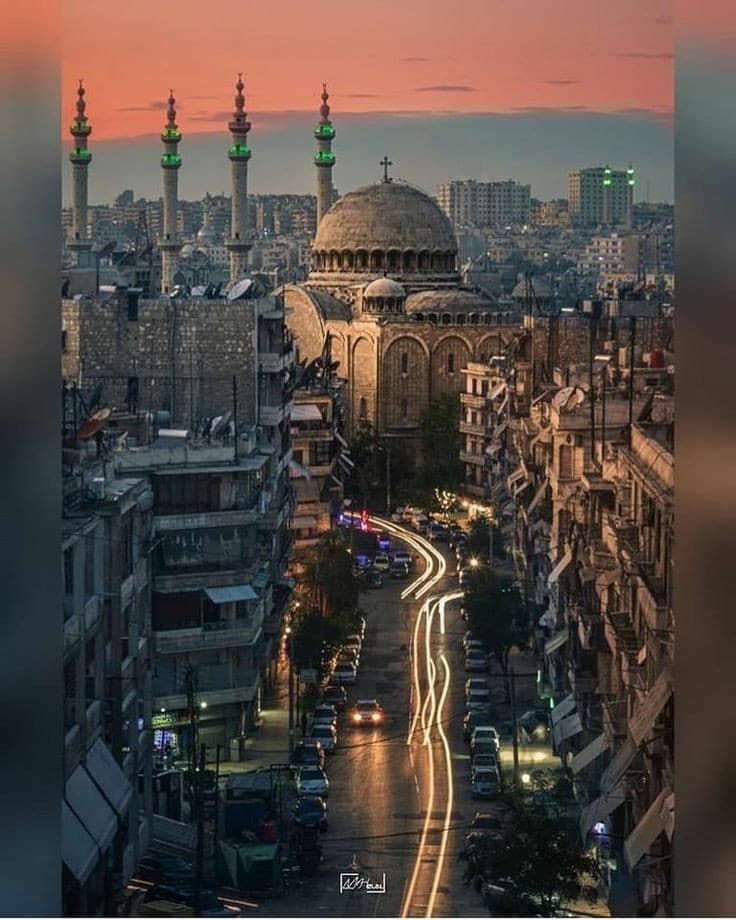
A Syrian city, which is the capital of northern Syria, 350 km away from Damascus, and has ancient and ancient roots dating back to prehistoric times. It is said that Ibrahim, peace be upon him, raised it and settled his travels on its high hill and milked his Shahba cow there, hence the name Aleppo the Shahba. The strategic location of Aleppo comes to play an important role in trade exchanges between Mesopotamia, Syria, Palestine and Egypt, and this site made it vulnerable to the Hittite, Pharaonic, Assyrian and Persian invasions. Then Greek and Roman, and in the Christian era it had an important role, as it became a diocese and the cathedral church was established in it, which is still up to now active the movement of trade and urbanization, starting from the Umayyad era
19 places
Latakia
A Syrian city, considered the fourth in the Republic in terms of population, located on the eastern coast of the Mediterranean Sea, within a maritime peninsula, about 385 km northwest of the Syrian capital Damascus, and it is the first outlet for Syria on the Mediterranean Sea, which gave it a unique commercial location. , and enriched it with many vital, industrial and commercial facilities; In addition, the city is the administrative center of Latakia Governorate. Lattakia is considered an important tourist center for its richness in archaeological sites, some of which date back to the Phoenician era, in addition to the moderate climate and the availability of tourism industry services.
19 places
Tartous
Tartous is a Syrian city on the Mediterranean coast and is the second most important port on the Mediterranean Sea in Syria, a historical Phoenician city that got its name from the word intarados, it is the center of Tartus governorate located opposite the island of arwad (Arados), a Syrian island that was a maritime Kingdom that extended its influence over most of the Syrian Mediterranean coast-Tartus is about 100 km south of the city of Latakia. Tartus is the second most important Syrian port on the Mediterranean Sea-90 km south of Latakia, one of the important monuments that still stands is the Tartus Cathedral, which is said that the Virgin Mary participated in its construction.today, the cathedral has turned into a city museum that includes a large collection of monuments of various Syrian eras and civilizations that passed through Tartus. The old city fascinates with its details, monuments and historical buildings, which are distributed in the city or near it, including the Crusader, Phoenician and other monuments . When the city of Tartus is mentioned, it is necessary to mention the island of arwad as well as the archaeological city of Amrit
14 places
Hama
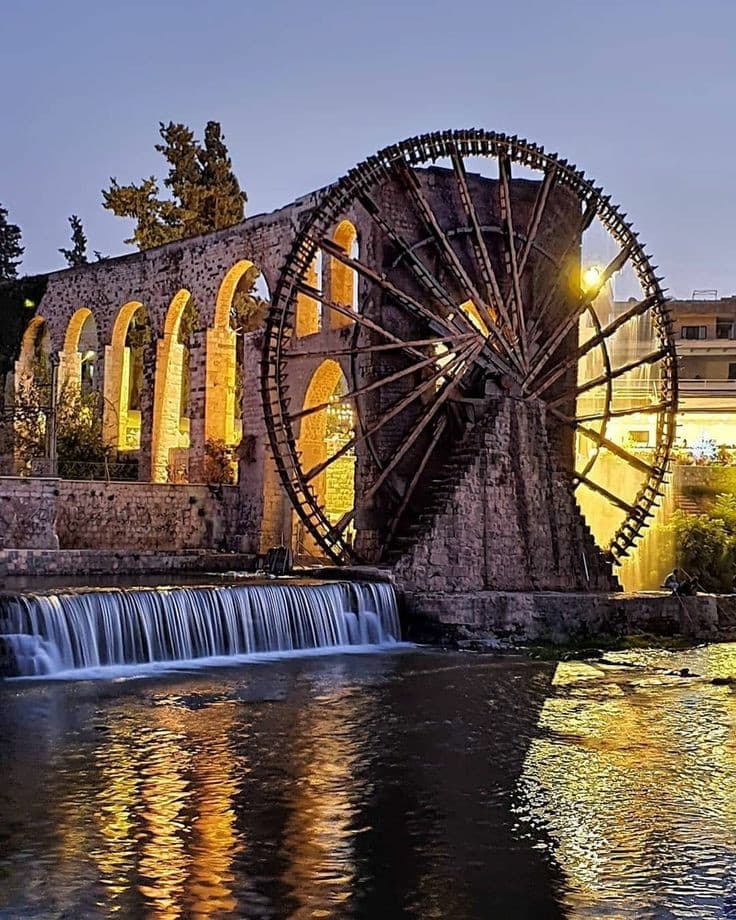
A Syrian city, an ancient city called the city of Abi al-Fida dating back to BC. It is considered one of the oldest cities in the world, just as the city of Damascus is the oldest capital and city in history, and Hama was a kingdom from the Syrian kingdoms in ancient times. It is considered one of the Canaanite cities, dominated by the Arameans. And fell under the influence of the Hittites for a period of time and in the year 1700 BC. Wars were repeated between the Syrian Hittite kingdoms and the Pharaohs, and a great war broke out in northern Syria and Asia Minor, which lasted for 15 years, during which the Hittite king was killed, and his brother Keita succeeded him, and a reconciliation was finally concluded between the Hittites and the Egyptians.
14 places
Al-suweda
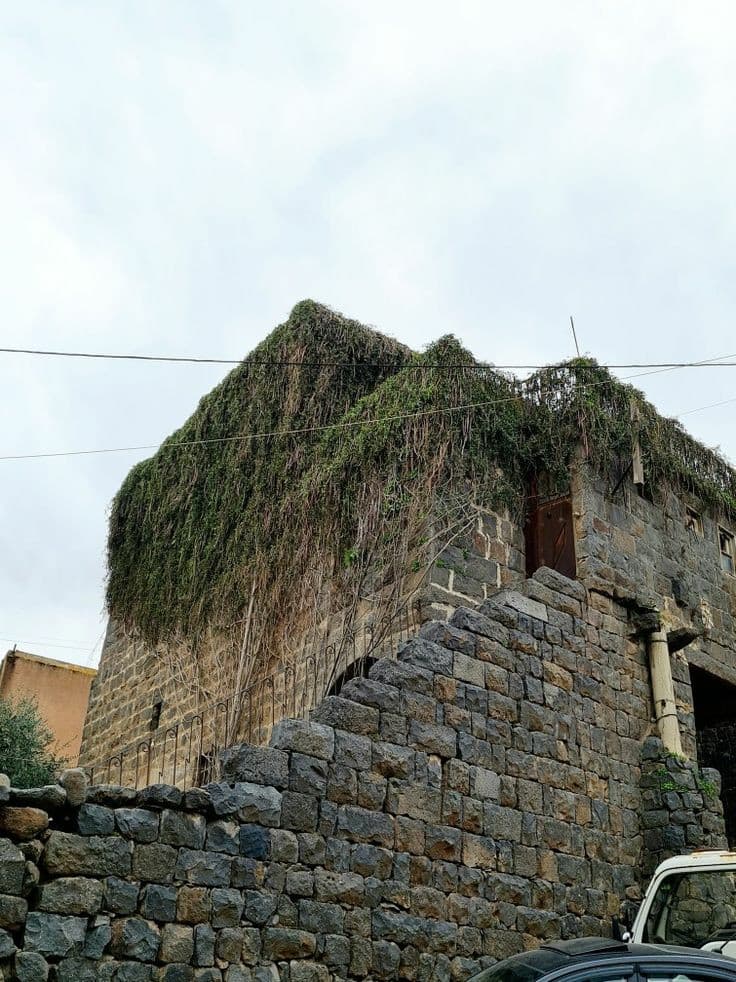
A Syrian governorate located in the south of the Syrian Arab Republic, it is bordered on the north by the Damascus Basin, on the south by the Jordan Highway, on the east by the Rutba Highlands, and on the west by the Hauran plains. Its area is about 5550 square kilometers. It is the center of the province. As-Suwayda is a diminutive of black, and its name in the days of the Nabataeans was “Souda”, meaning the little black one, because the city was built with black volcanic stones. It was one of the Nabataean headquarters in the region, and it contains ruins from the Roman era, such as the theater and the temple, which was converted from the Temple of Dhul Sharah into a Roman temple. In the Byzantine era, churches were built on the ruins of ancient temples, including the large church in the sixth century AD. Its current reconstruction dates back to the beginning of the eighteenth century. Where the population migrated to it from Lebanon, Aleppo and Palestine after 1711 AD. As for the Ottomans, they built a house for the government and a prison. The city's residents had a remarkable struggle in resisting the Ottoman tyranny and the French colonialists and in actively participating in the national revolutions until the Syrian Arab country gained its independence in 1946. In the seventies of the twentieth century, the city expanded, and urbanization spread
6 places
Saydnaya
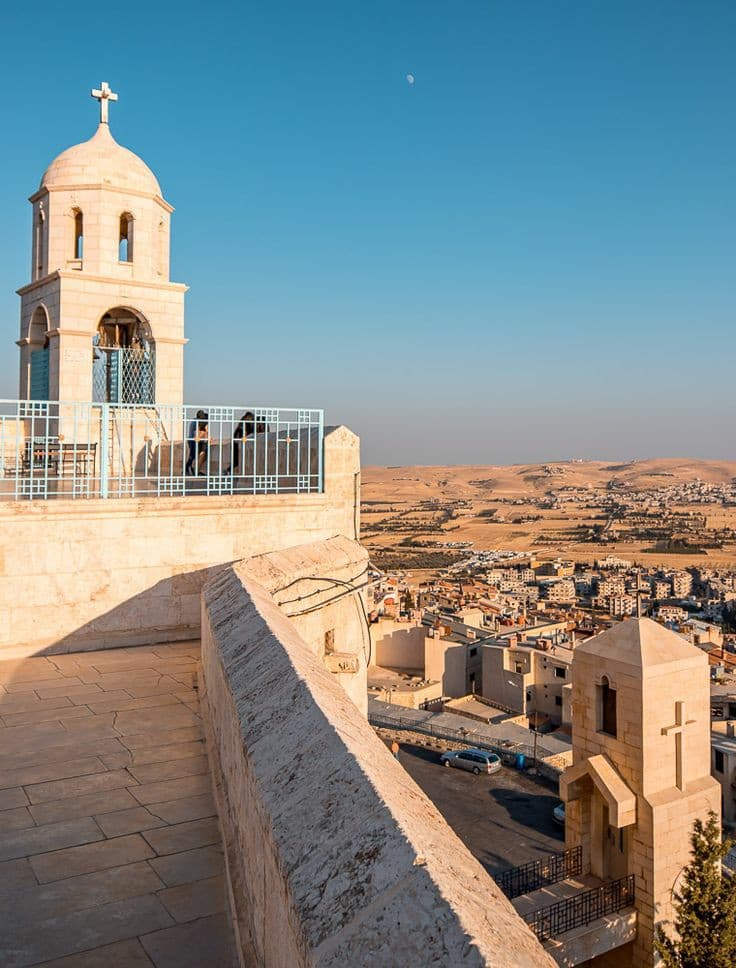
It is a city located in a mountainous area north of the city of Damascus in Syria. The history of the city dates back to the Aramaic period in the sixth century BC. The city is of great importance among the cities of the East and the Christian world, as it includes many Christian monuments and sanctities, among them one of the most important Christian monasteries in the world, which is the Monastery of Our Lady of Saydnaya, which was built by the Byzantine Emperor Justinian in the year 547 AD.
6 places
Palmyra
Palmyra is located in Homs in the Levant Desert in central Syria, at an altitude of 400 meters above sea level, and 243 kilometers from the capital, Damascus, at a mountain crossing at the foot of Mount Al-Muntar in the Palmyra mountain range. It was an oasis of rest for trade caravans on the Silk Road between China and Rome. It has recently been called the Bride of the Desert, and it is also called the “Pearl of the Desert.” The name Palmyra was mentioned in paintings dating back to the 18th century BC, and historical documents state that the Canaanites, Amorites, and Arameans inhabited it since 30 centuries BC and called it Palmyra. The name Palmyra was associated with Queen Zenobia, who descended from the Middle Euphrates clans. Queen Zenobia contributed to the urban development of Palmyra, and ordered it to be fortified with a number of castles, the most famous of which are the Aleppo and Zalabiyah castles. She personally supervised the construction and buildings in the city known as the “Pearl of the Desert.” The expansion of Palmyra's influence and its ownership worried the rulers of Rome, especially after it took control of Alexandria. They treated it in the first stage with diplomacy, and in the second stage with force, as it was besieged by the forces of Emperor Aurelian, and it was captured after fierce resistance.
5 places
Homs
The city of Homs (Old Homs) is located 162 km north of Damascus at the intersection of the north-south natural corridor and the entry road from the Syrian desert to the coastal section. It dates back to the year 2300 BC. It was called Emesa during the Roman era and has a long history. Its founder, Emperor Septimius Severus, who married the Homsi woman, Julia Domna, daughter of the high priest of the sun god in Homs, and Julia Domna gave birth to two sons, Caracalla and Geta. The city of Homs contains several archaeological sites, as many religious buildings, including mosques and shrines, were built in Homs during the stages of ancient ages and civilizations and in the Islamic era. Churches and temples were also built there during the ancient and Islamic eras.
5 places
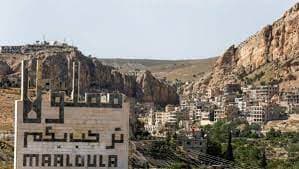
Maaloula
This village is located 65 km from Damascus, at an altitude of 1,500 meters Its houses are suspended or carved into the rock of the mountain. Its people still speak Aramaic to this day There are many monasteries in it, including the Monastery of Marserkes and Dermatkla Maaloula is distinguished by the miracle of the “Faj of Mar Takla”, which is a rocky cleft in the mountain, which is believed to have been opened by a miracle. It is a narrow passage from one side of the mountain to the opposite side, and in this cleft there is a water-wheel, which is a story of Mrs. Martalla, who divided the mountain to hide her
3 places
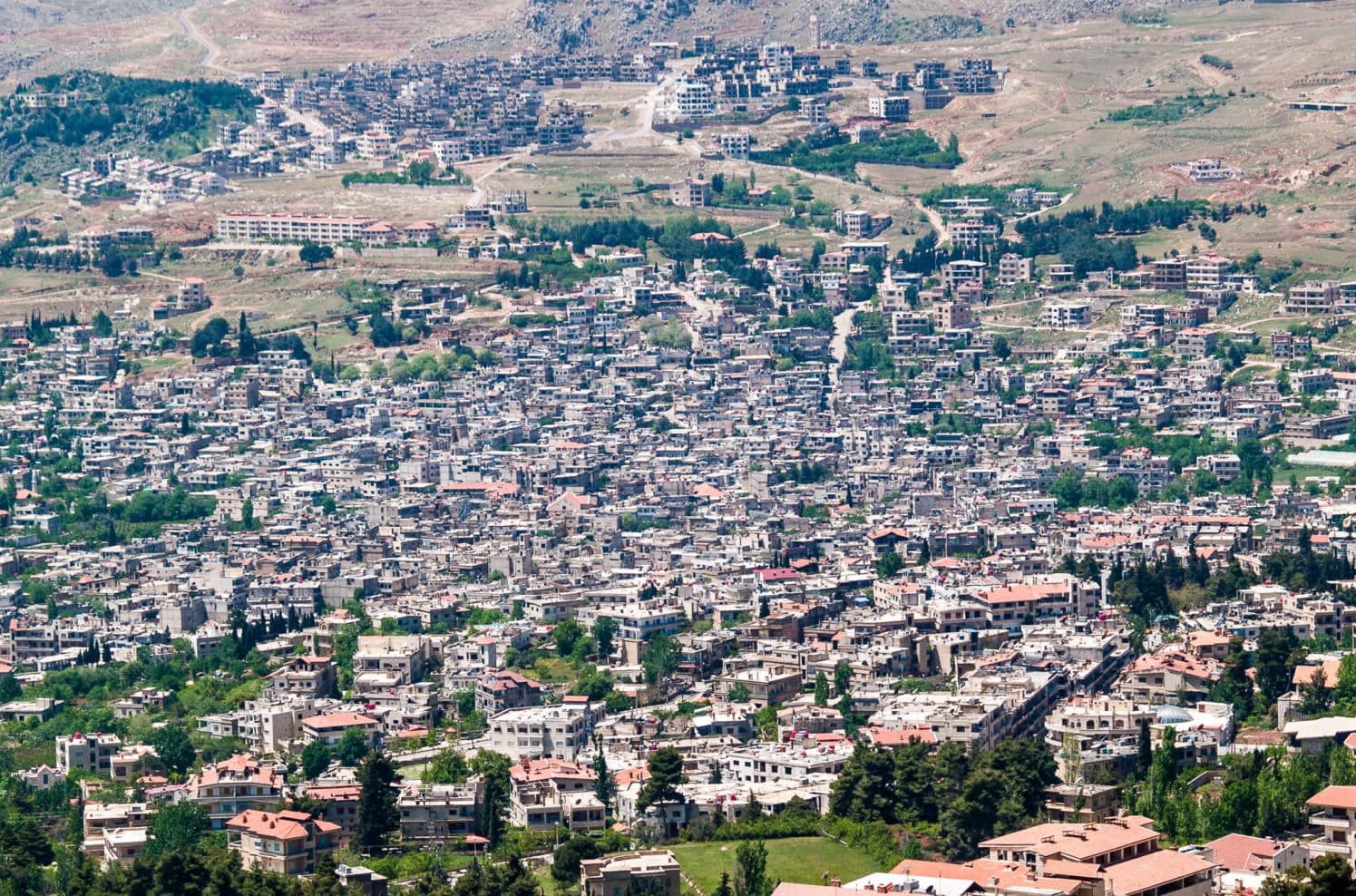
Bloudan
Bloudan is an ancient Syrian resort located north of Damascus, at an altitude of 1,550 meters above sea level. It is located on a plateau overlooking the Zabadani plain with its orchards and fruit trees. Bloudan is 50 km away from Damascus and is located on the slopes of the mountains and has a picturesque nature.
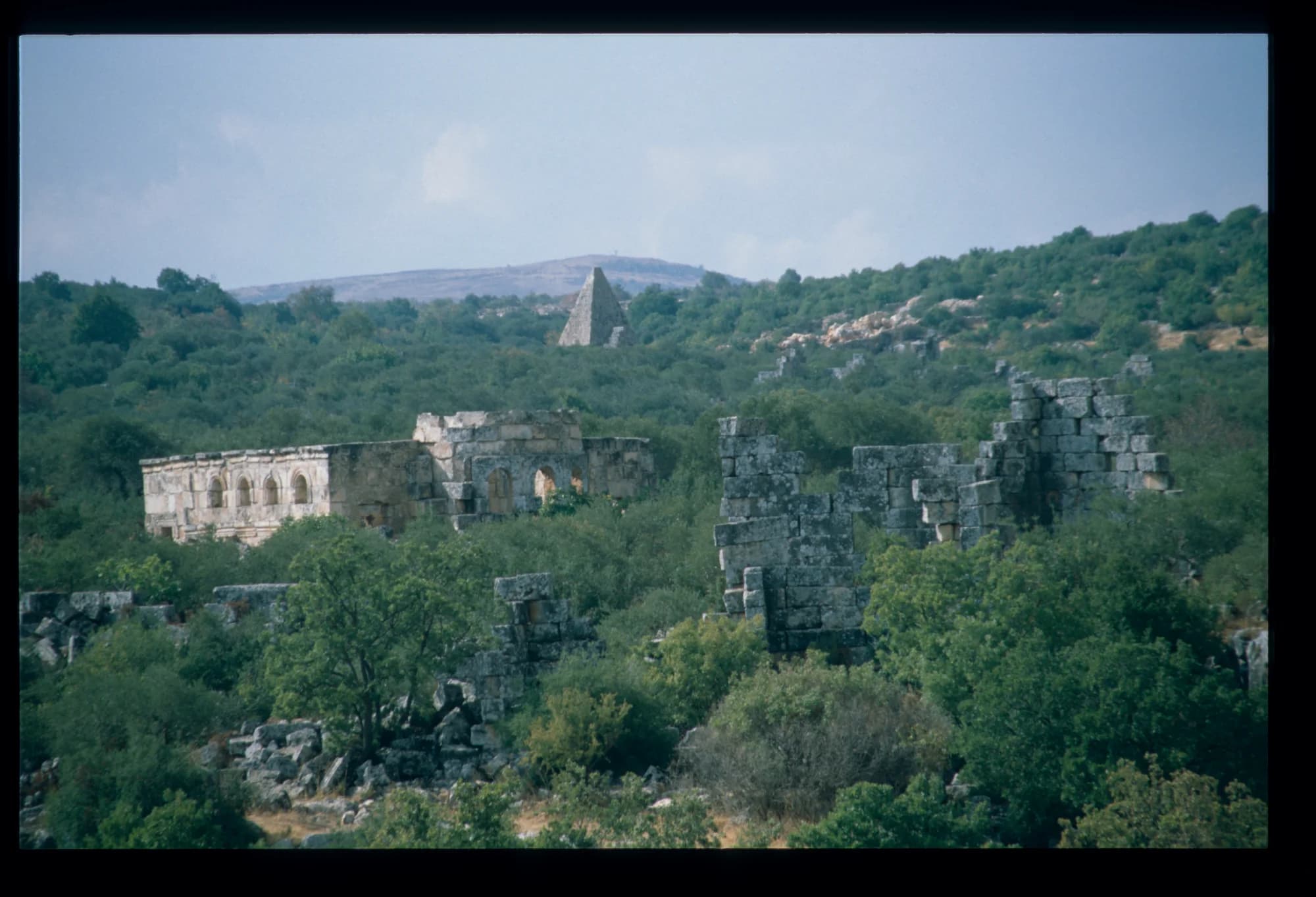
Idlib
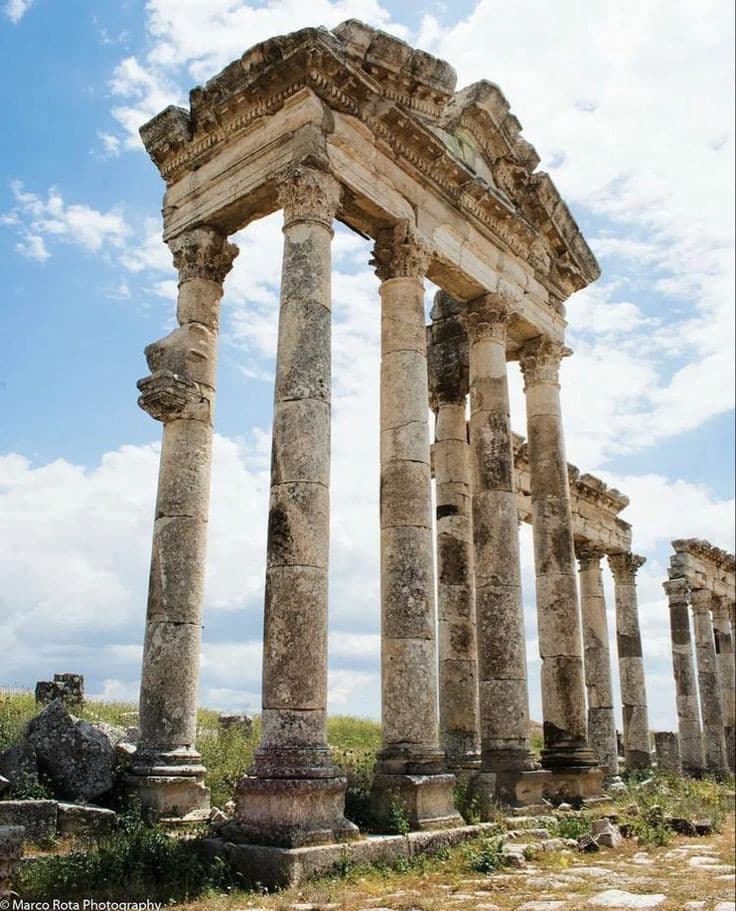
Idlib, a city in northwestern Syria, is a treasure trove of history and natural beauty. Known for its rich cultural heritage, Idlib has been a significant center for civilization since ancient times. The city is home to stunning historical sites like the ancient city of Apamea, where visitors can explore impressive Roman ruins and the remnants of a once-thriving metropolis. The lush landscapes surrounding Idlib offer breathtaking views of rolling hills and fertile valleys, making it a perfect destination for nature lovers. The enchanting countryside is dotted with quaint villages and vibrant markets, where you can immerse yourself in the local culture and savor traditional Syrian cuisine. In recent years, despite challenges, Idlib has remained resilient. Its warmth and hospitality continue to attract visitors seeking to experience its unique charm. Whether you are wandering through its historic streets or enjoying the picturesque scenery, Idlib promises an unforgettable journey.
Daraa
Daraa is a Syrian city, one of the oldest Arab cities, located in the south of the country near the Jordanian border. Historically, it was the capital of the Hauran region, which extends from southern Syria to the northern region of Jordan, which includes several villages such as Azraa, Dael, Al-Hirak, Ibtaa, Nawa, Sheikh Maskin, Jasim, and Al-Sanamayn. Daraa is the center of the region.